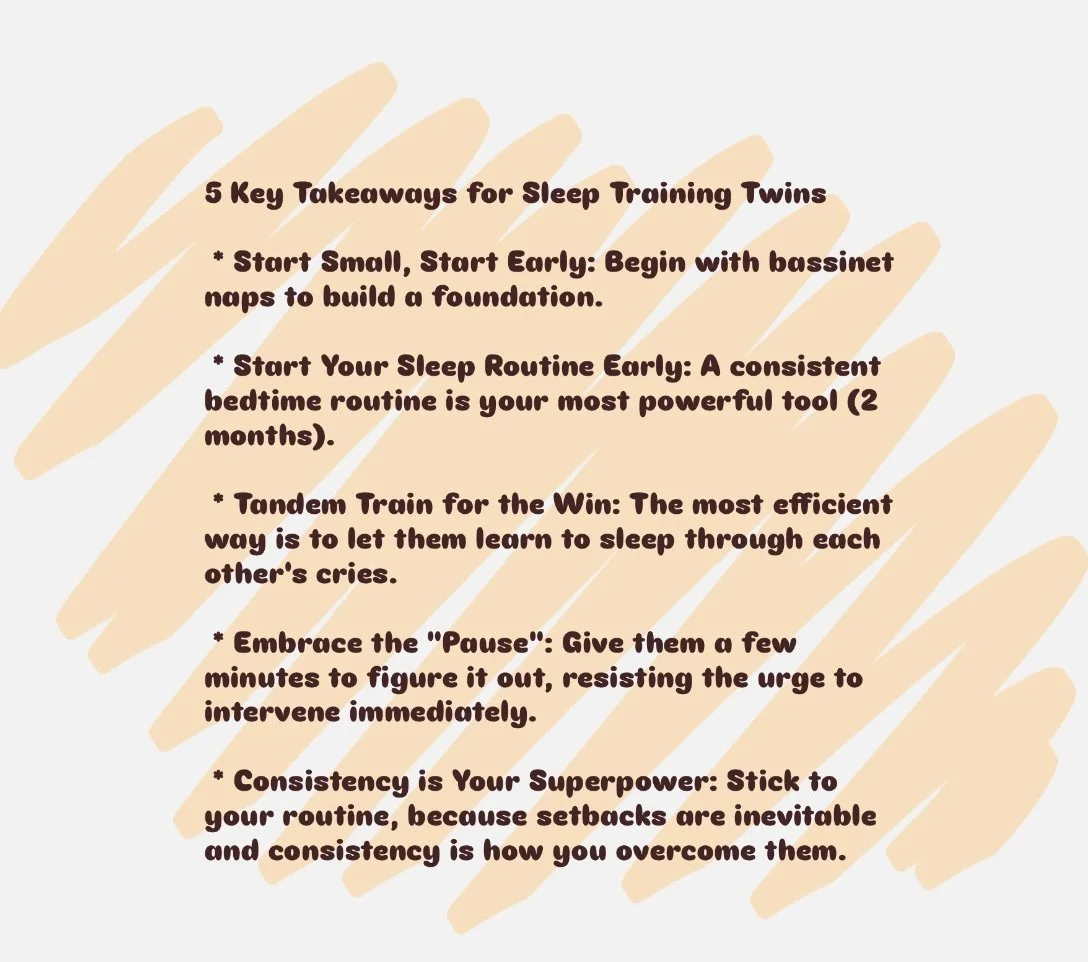
double the love: our approach to sleep training twins
Our pediatrician told us that while she's pretty lenient on most things, but the two things that really matter for kids are sleep and screen time. We took her sleep advice to heart with our first child (full story here) and were determined to find a way to get our twins to sleep independently, too. The end goal was for them to share a room, each in their own crib.
When you have twins, the idea of sleep training can feel overwhelming. Aren’t they going to wake each other up? Do you sleep train one at a time? Do they share a crib or not? We decided to tackle it head-on, and I’m so glad we did. Here's our story and our approach to finding a peaceful night's sleep.
Start Early
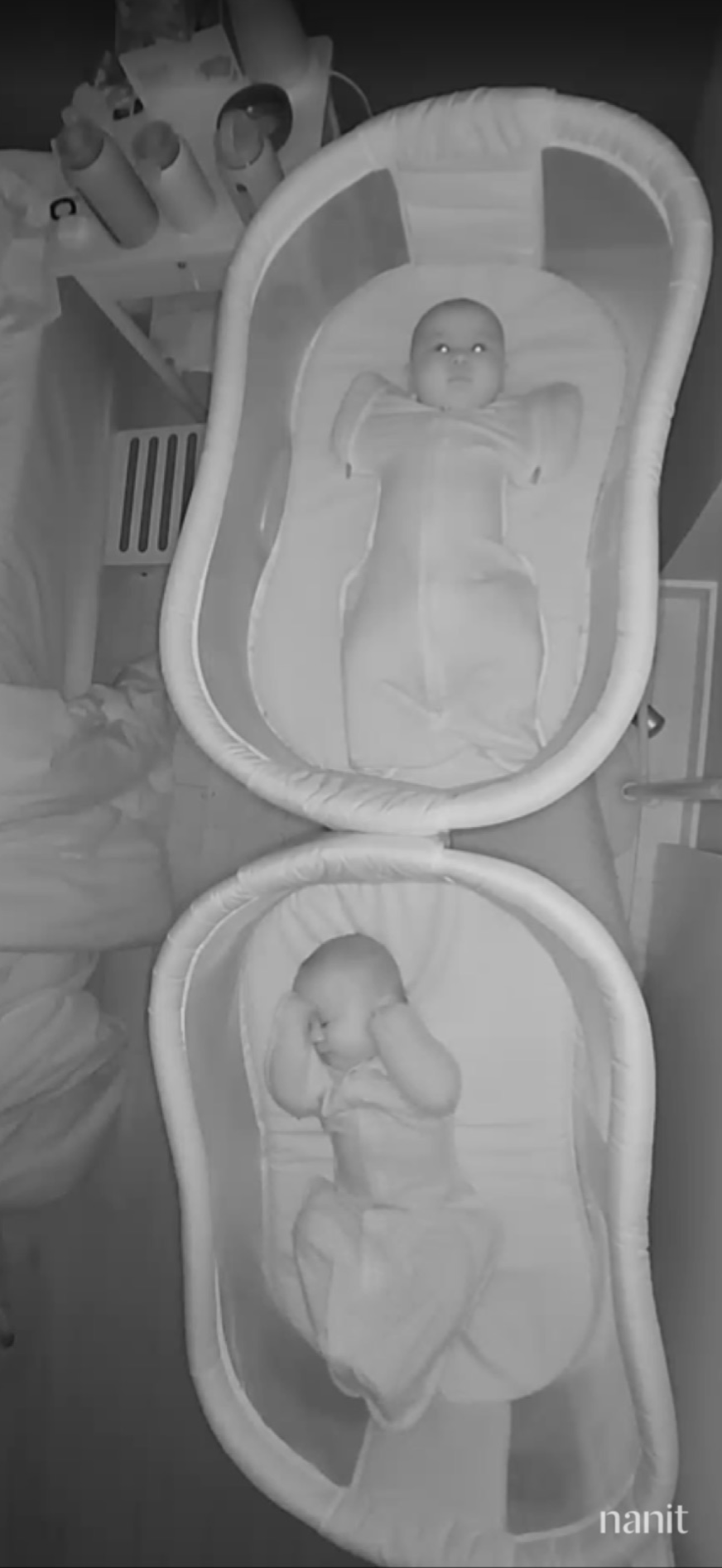
They were definitely growing out of their bassinets, and I need to move them asap.
Our philosophy was simple: we were aiming for independent sleep, so we started early and small. If your kids are already a few months old when you’re reading this, it’s ok! Its like the saying, "The best time to plant a tree was 20 years ago. The second best time is now."
We didn’t follow one specific "cry it out" method but instead adopted a few key principles from different sources, like the idea of "le pause" from Bringing Up Bébé—giving them a few minutes to see if they could self-soothe before intervening. It’s also recommended to do this with tummy time as well.
Around one month old, we started putting them down for naps in their cribs, drowsy but awake, and would sometimes let them fuss for up to ten minutes. By about two and a half months, one of them was already falling asleep on his own. We also moved them from the velcro, arms-at-the-side swaddles to the arms-up Love to Dream swaddles once they were over ten pounds. I would always do at least one daytime nap (usually the first one in the morning) in their bassinet, and the other would usually be in the stroller, or a car nap if we were going somewhere.
I remember one time I put them in their bassinets drowsy but awake ,and then hopped into the shower. As a second-time parent also desperate to shower, I could hear them crying, but also knew they were safe. When I got out about ten minutes later, they were both asleep. It was a victory for all of us.
Game Plan
At our four-month pediatrician appointment, we got the green light to start sleep training. But she wisely recommended we first clear up their eczema, which had them scratching their scalps. Since once of the twins was already rolling around a lot in his bassinet, our pediatrician recommended that we put them in separate cribs from the get-go, and since they were going to share a room, we might as well teach them from the start to sleep through the other crying. Therefore, the plan was to sleep train them together, in their own room, from day one.
Go Time
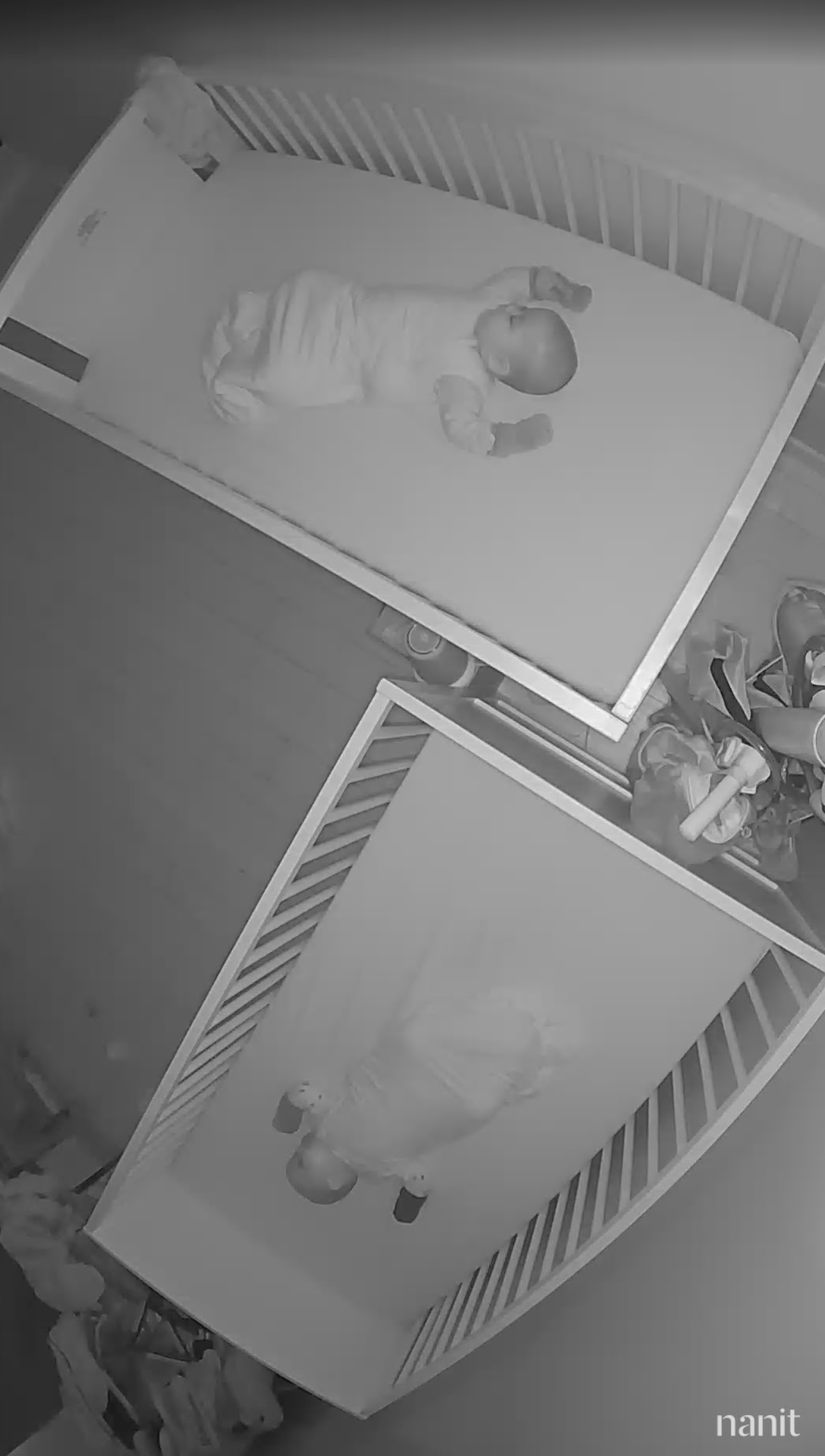
At five months, we finally moved them to their own room in their own cribs and started official sleep training. We put them in the Stage 2 Love to Dream swaddles with their arms free. We did our consistent bedtime routine, which we'd been doing since two months, and then put them in their cribs, said goodnight, and promised we'd see them in the morning.
The first night Baby A cried for about 5 minutes, and then he was passed out. Baby B cried for 20 minutes, but his cry sounded frantic (and painful) to me, so we decided to go in and see if he had a burp (he did), and then he immediately fell asleep. Per our pediatrician’s recommendation, I did not do a dream feed, and one of them made it till 4 AM, and the other till 6 AM. Holy smokes - it felt so much easier than when we did this with our first child.
When starting sleep training, remember to still pump at night. As the kid(s) sleep longer stretches, your body slowly adjusts, however if your body is used to feeding every 4 hours and then suddenly goes 10 hours, your boobs are going to feel it, and you might get a clogged duct. So think about tapering pumping gradually so you can also sleep through the night.
The Taper
I was both stricter and more lenient this second time around. As time went on, if one of them woke up in the middle of the night, I would wait for about 30 minutes before going in, bringing him to bed with me and nursing him back to sleep. To my defense, I didn't want him to wake the other twin (or my toddler, which happened once and was not fun for anyone).
One twin, Baby A, kept waking up between 4-5 AM. Baby B slept through the night 95% of the time until 6 AM, unless he was woken up by Baby A’s crying in the early morning. At our six-month check-up, our pediatrician said to try letting Baby A cry for an hour before going in to get him, but generally just do the best I could. She emphasized that going in to help Baby A actually confused him more, because then he expected me to go in and help him, and it would introduce an unwanted feedback loop. The less intervening the better because then they learned that they needed to fall back to sleep on their own. This is also why she did not recommend a dream feed (10 PM feed) while sleep training.
Since about six and a half months, they both have been consistently sleeping from 8 PM to 6 AM. We also started giving them solids around six months, so I think the extra calories helped them stay full through the night. We're now generally on a two-nap schedule, sometimes with a quick catnap in the evening. Now, all that's left is getting myself to bed on time. The tricks for that have been fully documented—I just need to execute on them.
Remember, sleep training isn't a one-and-done event; it's a foundation. Setbacks happen due to travel, developmental milestones, and illness. The key is consistency and giving them the space they need to learn to sleep. As our pediatrician wisely told us 2 years ago, “You’re going to give him the gift of sleep.”